

Bone health is a topic that many women only start thinking about when they are faced with serious consequences: osteoporosis, fractures, or spinal deformities. However, these problems can not only be avoided, but also significantly delayed if prevention is taken care of before menopause.
🦴 Bone density decreases from the age of 30
From around the age of 30, our bodies begin to naturally lose bone mass. This process occurs slowly, on average about 0.3–1% per year, depending on lifestyle, diet, hormonal balance, and other factors.
In the early stages, these changes often go unnoticed, but these are the first signals that our skeletal system requires more attention.
Menopause is a turning point for bone health
The real challenge for bones begins during menopause, when a woman's body experiences a significant decrease in estrogen, a hormone that helps maintain bone density.
This hormonal change accelerates the process of bone breakdown:
-
In the first years after menopause, bone loss can reach 2-3% per year, and in some cases even up to 5%.
-
During the first 10-15 years after menopause, women can lose up to 20-30% of their bone mass in the spine.
-
Losing a significant amount of bone tissue increases the risk of fractures, especially in the hip, spine, and wrist areas.
💡 What can we do in advance?
The good news is that bone health is largely determined by our lifestyle choices. Here are some key factors that can help maintain bone strength:
-
Balanced diet
It is especially important to ensure sufficient amounts of calcium, vitamin D, magnesium and vitamin K2. -
Regular physical activity
Resistance exercises, weight-bearing activities (e.g., walking, dancing, strength training) stimulate bone formation. -
Healthy lifestyle
Avoiding smoking, excessive alcohol, and prolonged stress can help maintain better hormone and bone balance. -
Preventive tests
Bone density testing (DEXA) helps identify risk and take measures before osteoporosis develops.
Coral calcium – a natural choice
One way to supplement your body with the necessary amount of calcium is to take high-quality, well-absorbed dietary supplements. Not all calcium supplements work the same:
-
Some are poorly absorbed, can cause digestive discomfort, or even increase the risk of kidney stones.
-
Therefore, natural sources, such as coral calcium, are receiving increasing attention.
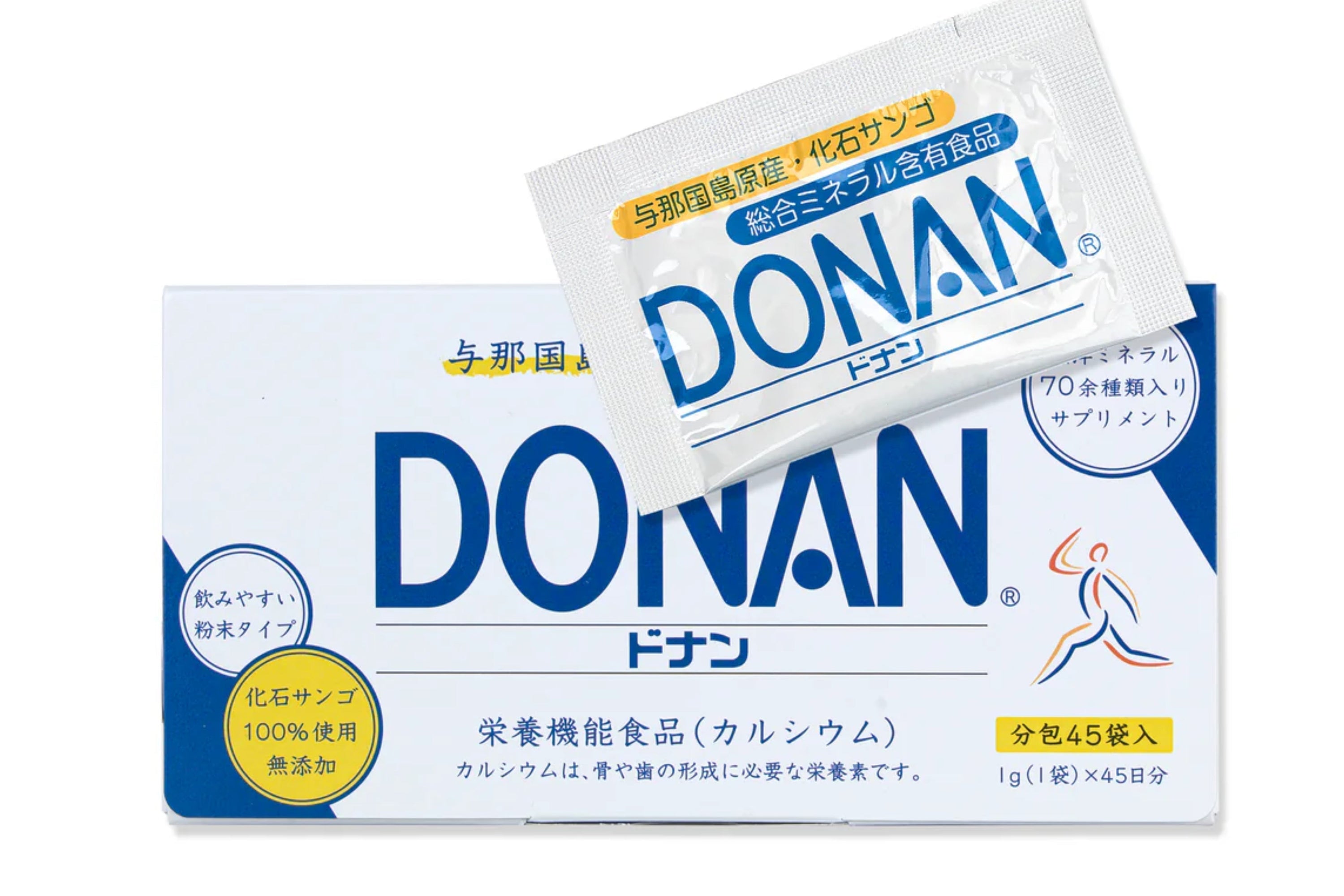
Coral calcium, extracted from the Japanese island of Yonaguni, is of natural origin and has good bioavailability. It also contains other important minerals for the body - magnesium, potassium, trace elements. Due to these properties, it can be an excellent choice for those looking for a gentler, more effective solution for strengthening bones.
💊 Check out our Yonaguni Island Coral Calcium here:
Donan® coral calcium – BEZA
Menopause is a natural stage of life, but by facing it consciously and with preparation, you can protect your bones from serious consequences.
It is important to take care of bone health even before menopause.
- It is an investment in freedom of movement, quality of life and independence in old age.
- Before starting to take calcium supplements, especially during menopause, it is recommended to consult a doctor or pharmacist - they will help you assess your individual needs and choose the most appropriate solution.
